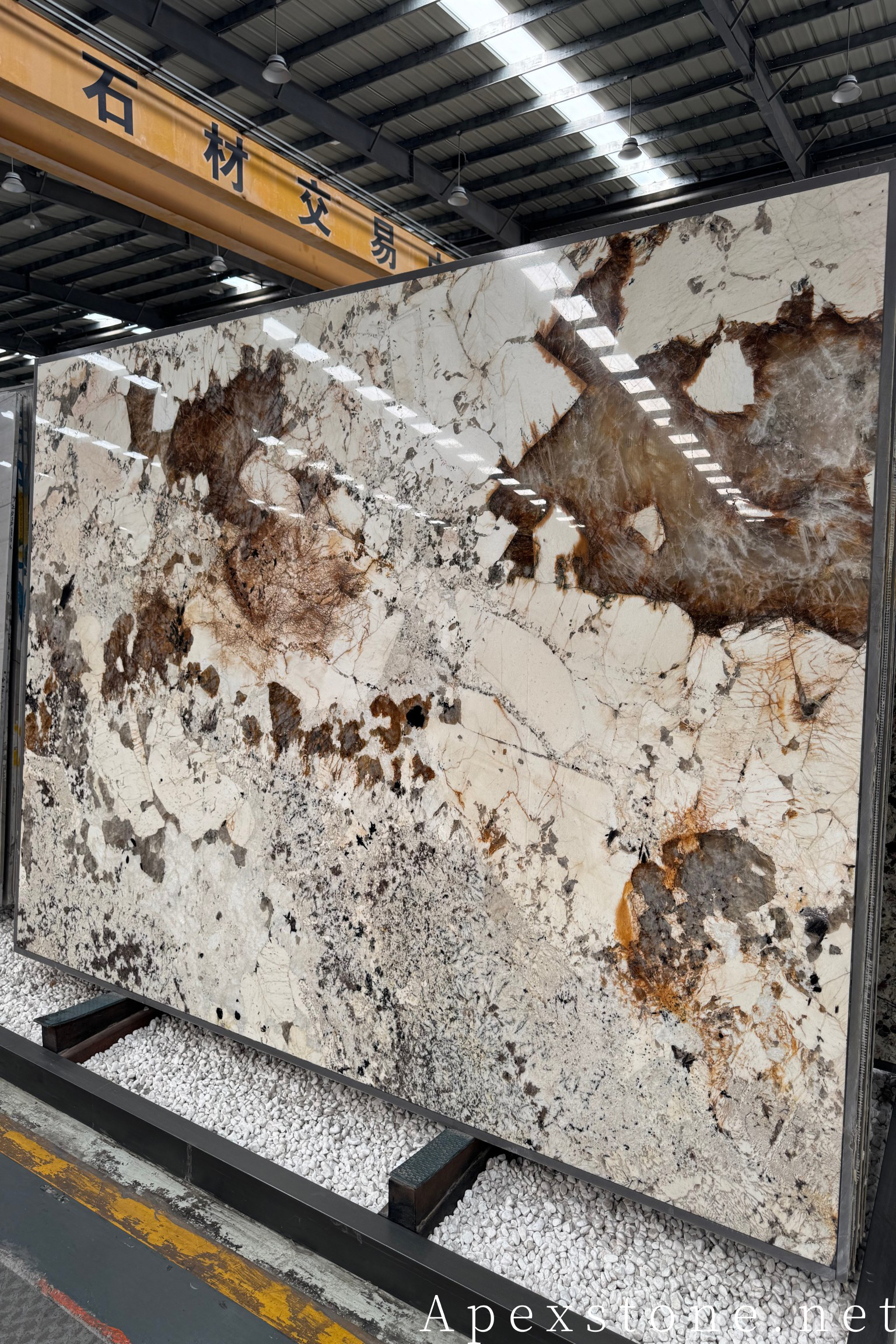
A buyer's guide to Pandora quartzite slabs: what the cream ground and brown floral movement tell you about block selection, book-matching potential, translucency and the checks to make before reserving a batch.
Apexstone material brief
Pandora Quartzite Slabs: How to Read the Stone Before You Reserve
Pandora has become one of the most requested quartzites of the past few seasons, and for good reason: a warm cream ground, large brown floral movement, a natural crystal sparkle and — rare for a light stone — genuine translucency in thin sections. But the same qualities that make it desirable also make it unforgiving to buy blind. Two slabs from the same block can differ enough to change a project, and a batch reserved from photographs alone is a batch you have not really seen. This guide walks through what to look at, in the order a buyer should look at it.
Start with the block, not the slab
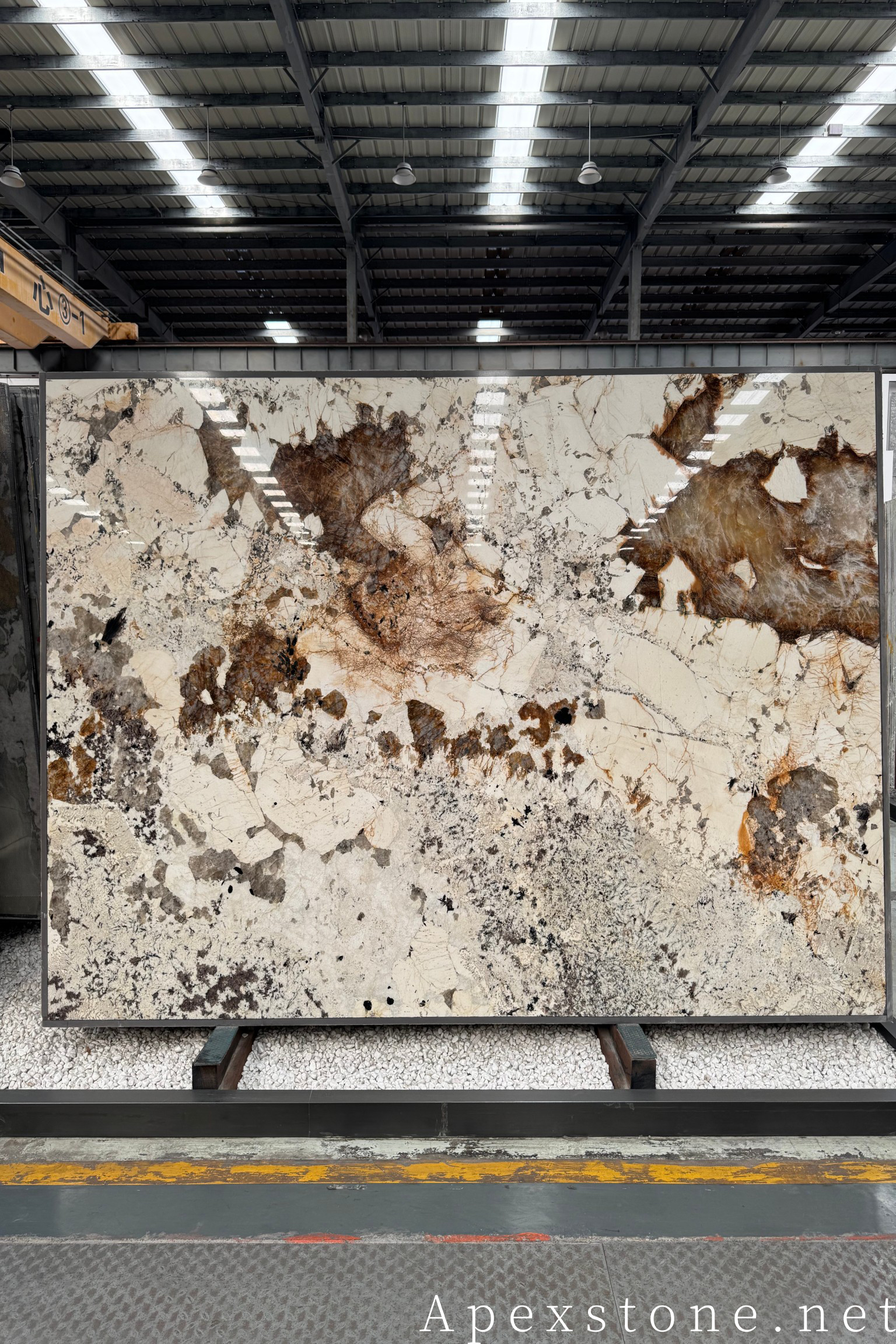
Pandora's movement is large-scale, which means consecutive slabs from one block mirror each other closely while slabs from different blocks can look like different stones. Full-size slabs from a single block are the raw material of every good Pandora project: book-matched feature walls, matched island and splash sets, dining tables cut from the same field as a console. When you enquire, ask which blocks the offered slabs come from and how many slabs per block are available. A project that needs four matched slabs cannot be assembled from four unrelated ones, however similar they look in thumbnails.
Read the movement at full scale
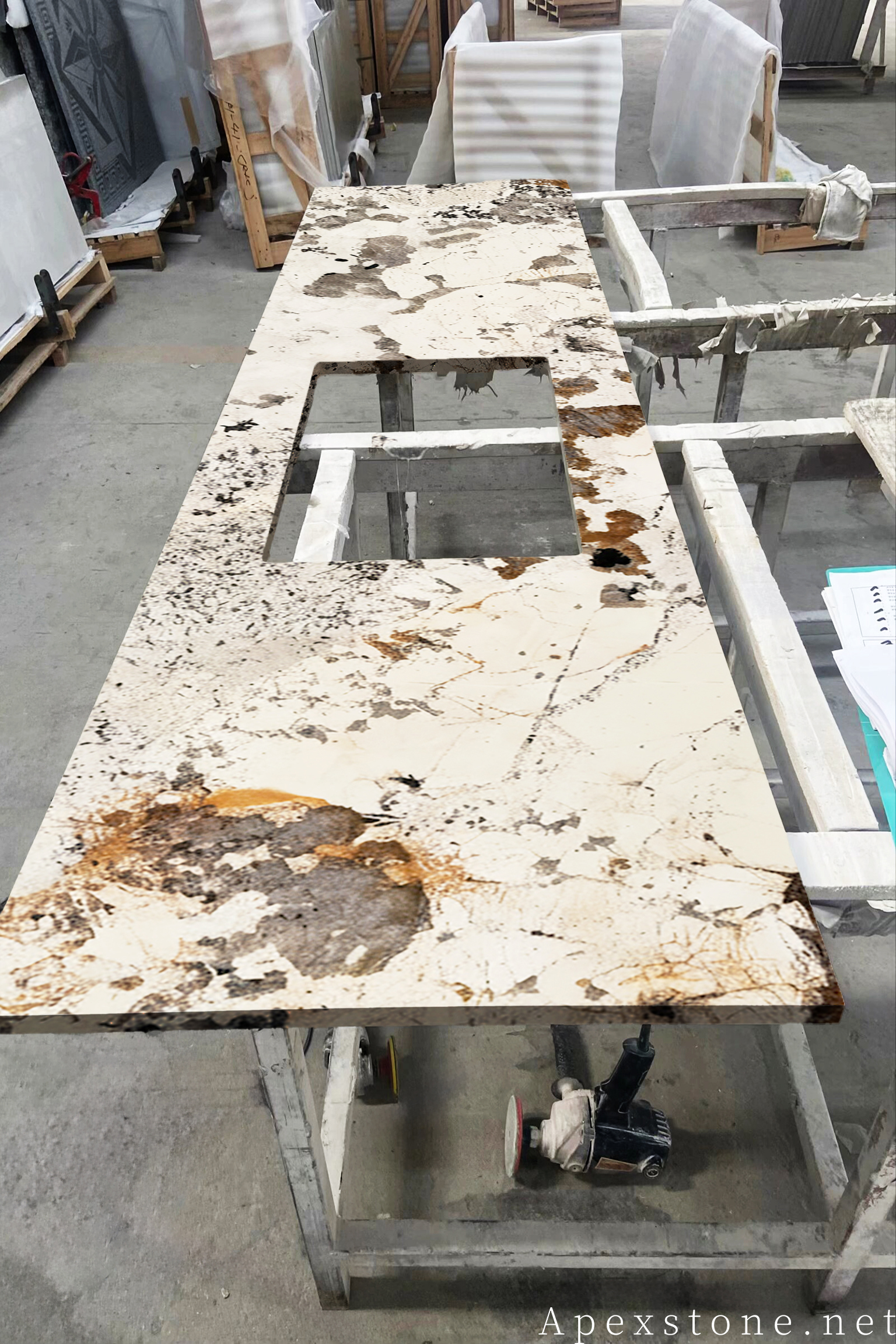
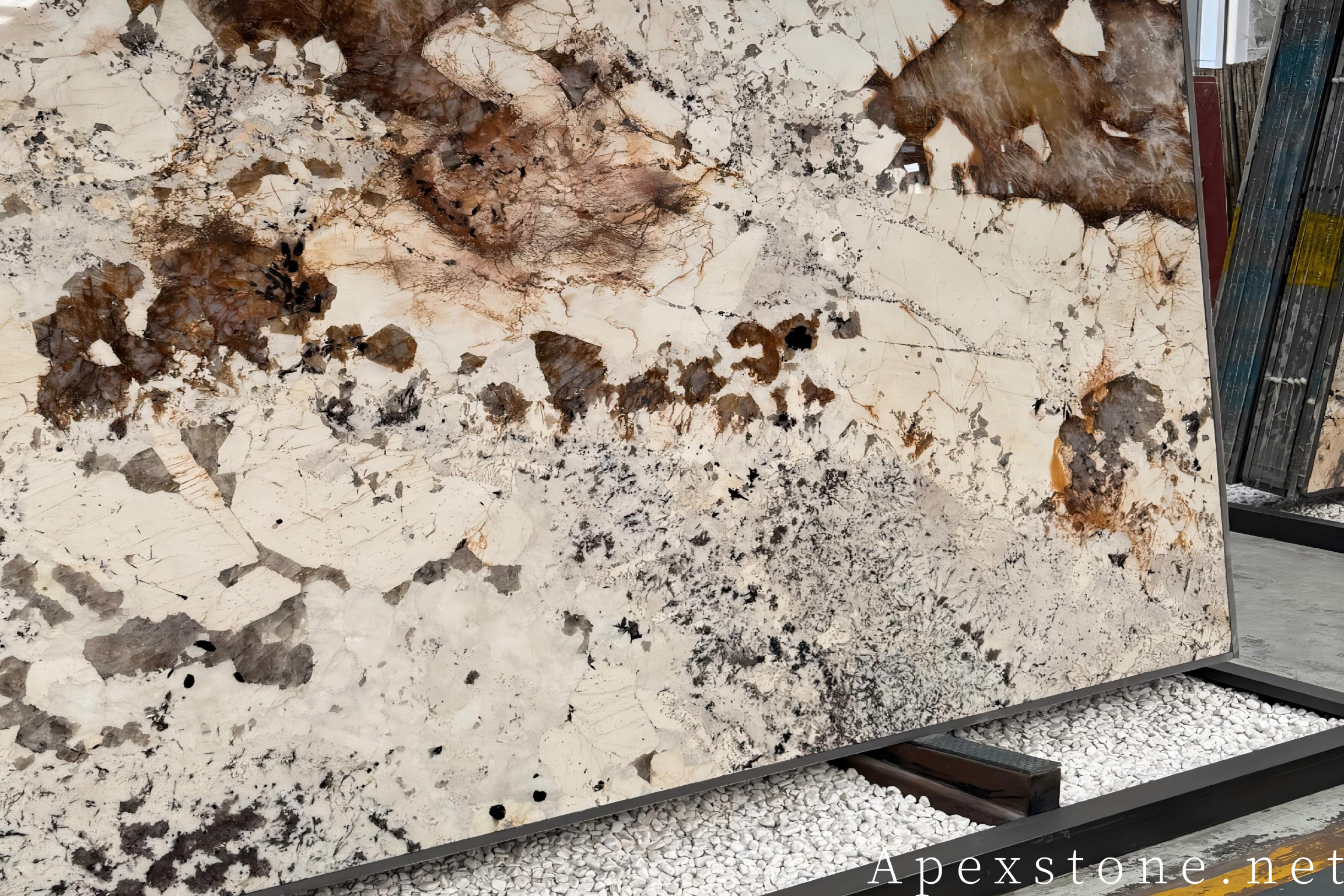
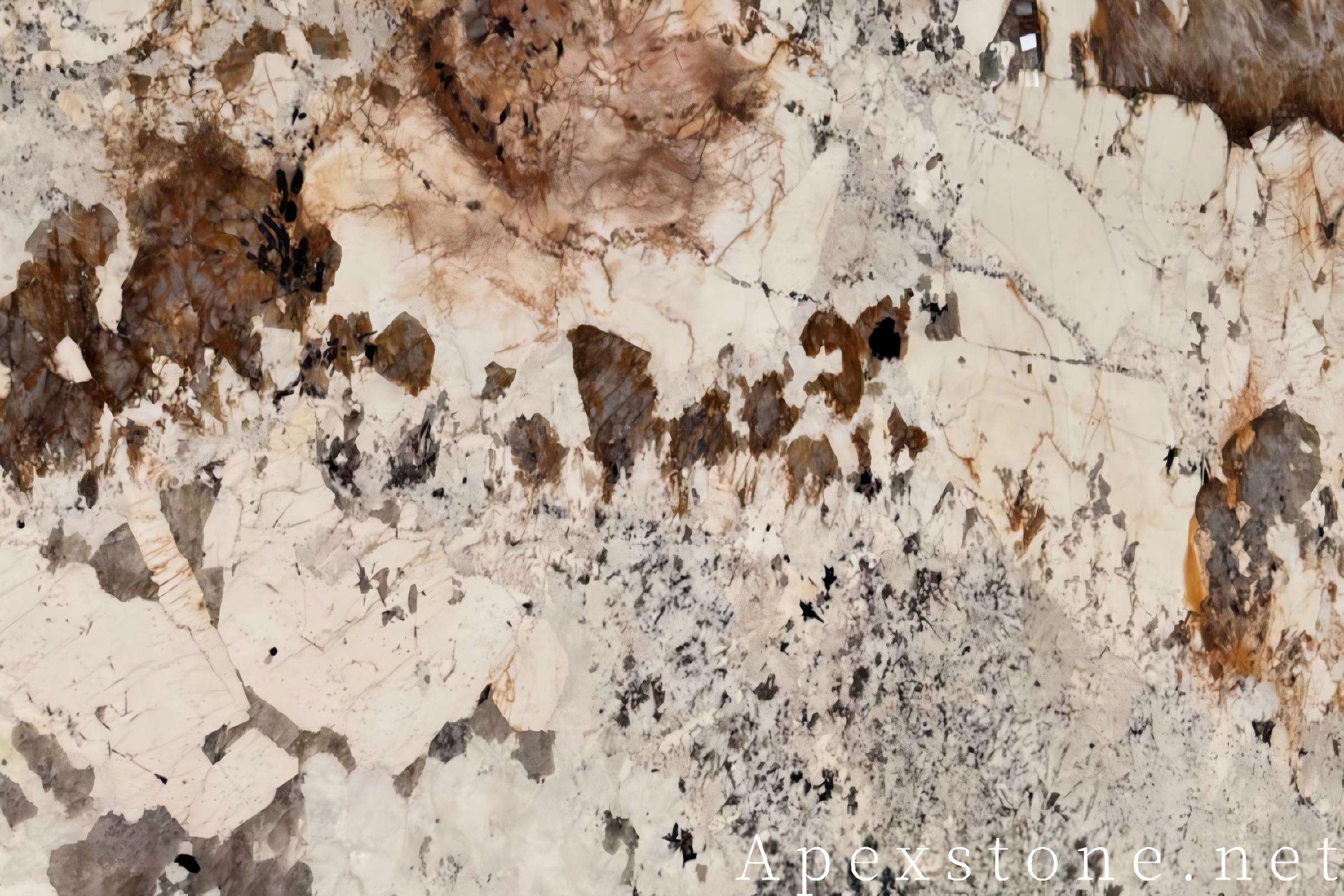
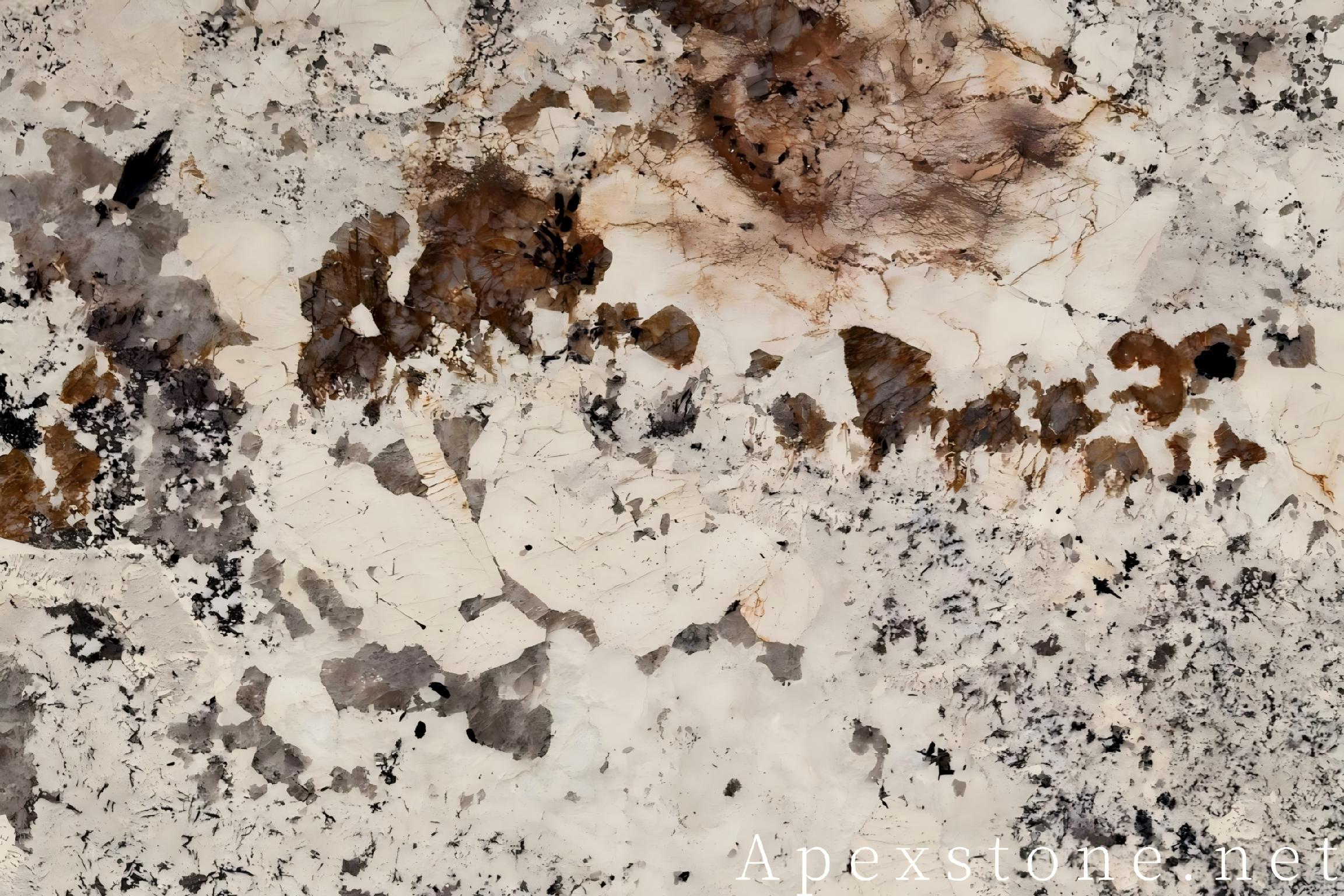
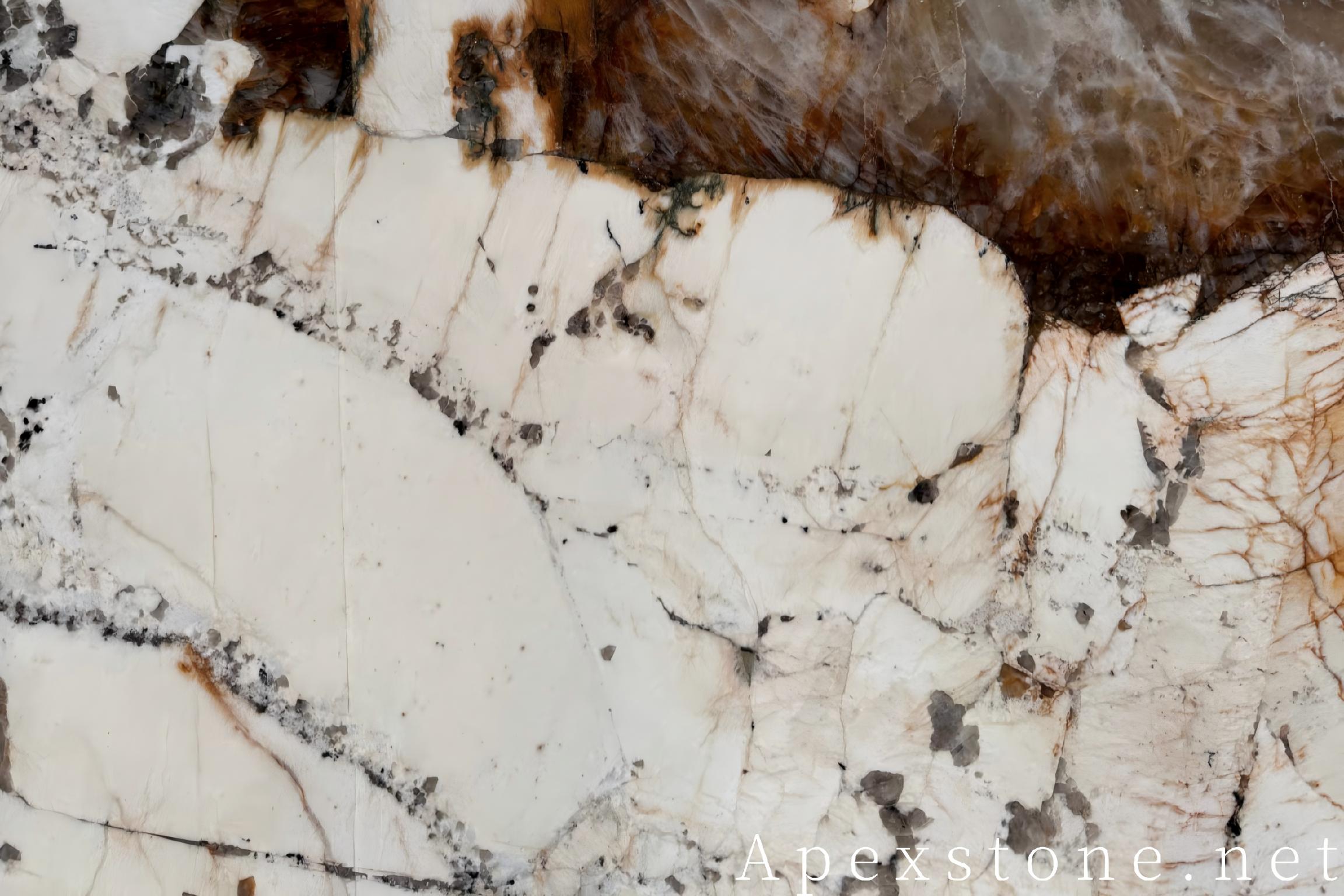
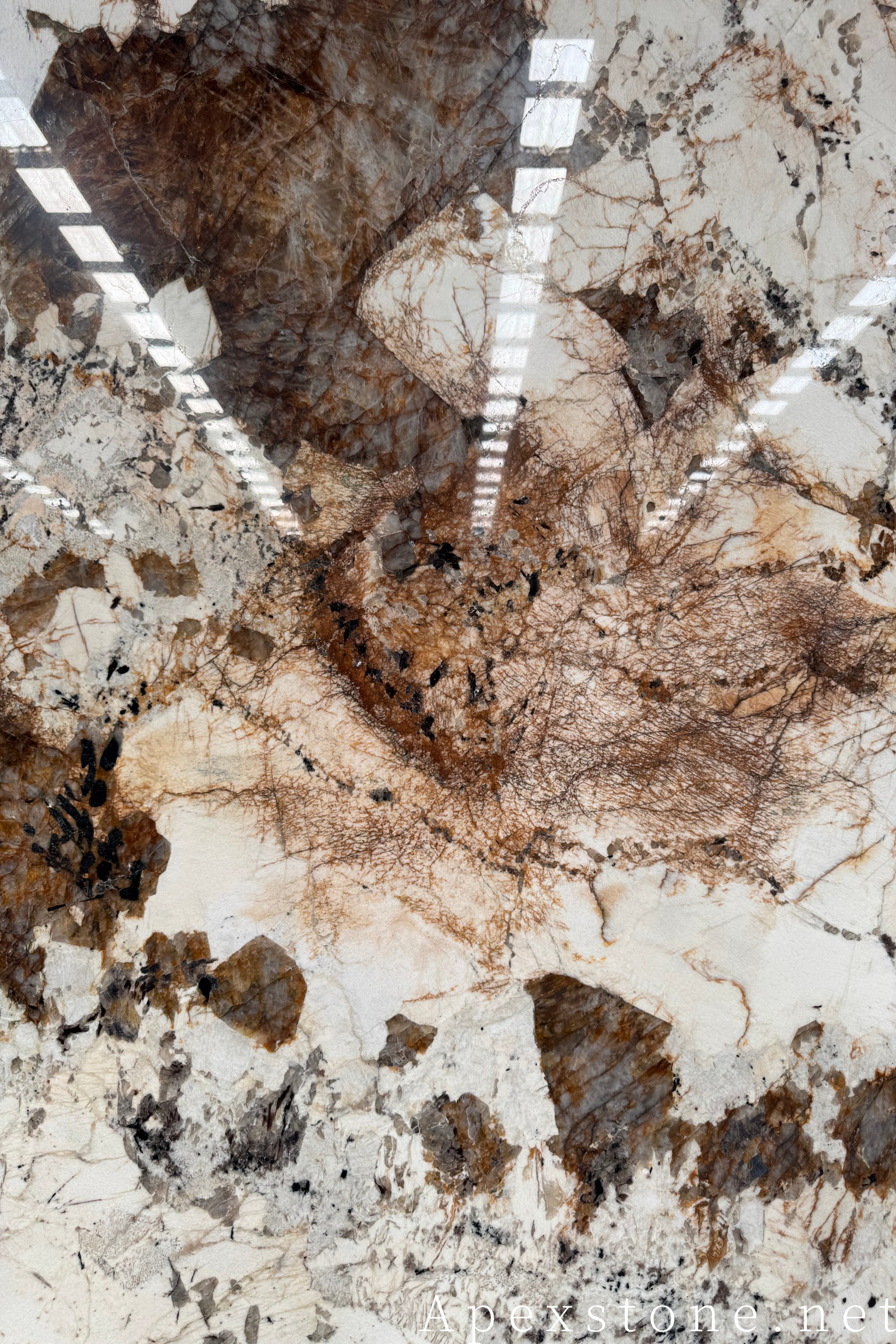
Close-up photographs of Pandora are seductive and slightly misleading. The crystal sparkle that reads as glitter in a detail shot is, at full scale, a subtle sheen; the bloom that fills a phone screen is one element in a much larger composition. Always review full-slab photographs before reserving, then close-ups to judge the character of the movement — density, contrast, and whether the blooms run in a direction or scatter randomly. Both characters exist in Pandora, and both are legitimate; what matters is that the slab you reserve matches the composition your project assumes.
Check the traits that justify the price
Three traits separate genuine Pandora from lookalike materials offered at lower prices. First, hardness: it is a quartzite, and a scratch test on an offcut tells you more than any certificate. Second, the crystal structure: under raking light the surface glitters naturally, something engineered surfaces imitate with metallic flecks that look wrong in person. Third, translucency: hold a thin offcut or a polished sample against a light source — genuine Pandora glows with warm amber depth. A supplier confident in the material will offer all three checks without being asked.
Match the slab to the application
Not every slab suits every use. Slabs with dense, dramatic movement are island and feature-wall material; slabs with quieter fields make better perimeter runs, vanity tops and splash panels, where a loud bloom would fight the fittings. Tell your supplier what the batch is for before reserving — a good one will sort the block accordingly. Kitchen countertop slabs, for example, are usually selected for a balance of movement and calm field, while wall tile slabs can carry more drama because the viewer sees them from further away.
Reserve with a layout, not a deposit alone
The strongest protection a buyer has is a layout drawing on the images of the actual slabs — seams, cut-outs, book-match direction and panel numbering resolved before the saw runs. Reserve the batch, request the layout, approve it, and keep both documents together through fabrication and inspection. When the pieces that arrive are compared against the same drawing everyone approved, disputes have nowhere to start. That discipline, more than any discount, is what separates a smooth Pandora project from an expensive lesson.